
Many of our clients ask us about the best way to clean their new polyaspartic floors without causing damage. The good news is that polyaspartic coatings are remarkably easy to maintain due to their non-porous, seamless surface. However, using the right products and techniques is crucial. Here’s Armor Coating Co.’s comprehensive guide to safely cleaning your polyaspartic floors, ensuring they remain a source of pride for years to come.
The Basics of Polyaspartic Floor Maintenance
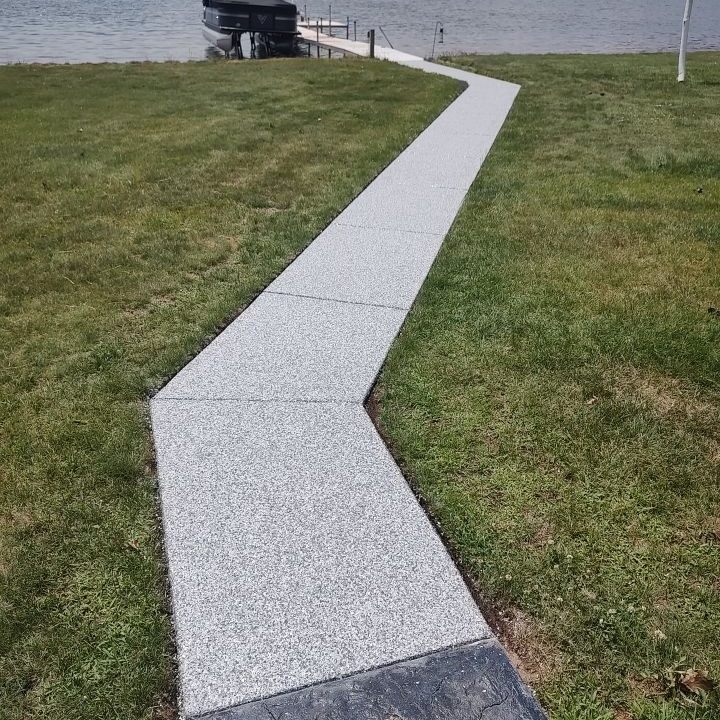
For general upkeep, your polyaspartic floor requires far less effort than traditional concrete or epoxy surfaces.
1. Regular Sweeping or Vacuuming
The first step in any cleaning routine is to remove loose dirt, dust, and debris. This prevents abrasive particles from scratching the surface during wet cleaning. We recommend using a:
- Soft-bristle broom: A standard soft-bristle broom is perfect for daily or weekly sweeping.
- Dust mop: For larger areas, a dust mop can efficiently collect fine dust.
- Shop vacuum: A shop vacuum with a soft-brush attachment is excellent for picking up heavier debris, especially in garages where sand, small stones, or sawdust might accumulate.
2. Spot Cleaning for Spills
One of the key advantages of polyaspartic coatings is their stain resistance. Spills–whether oil, grease, chemicals, or paint–tend to sit on the surface rather than penetrate it. This makes spot cleaning incredibly effective, especially when you:
- Act quickly: Polyaspartic is stain-resistant, but it’s always best to clean spills as soon as they occur.
- Use mild soap and water: For most spills, a clean cloth or paper towel with warm water and a small amount of mild, pH-neutral soap (like dish soap) are sufficient polyaspartic floor cleaners. Gently wipe the spill until it’s gone.
- Avoid abrasive cleaners: Never use abrasive pads, steel wool, or harsh chemical cleaners, as these can dull the finish or compromise the coating.
Deep-Cleaning Your Polyaspartic Floor

For more thorough cleaning or when your floor needs a refresh, a deeper clean is in order. This process is still straightforward and doesn’t require specialized equipment.
What You’ll Need:
- Warm water: Essential for effective cleaning.
- Mild, pH-neutral cleaner: We recommend polyaspartic floor cleaners specifically designed for coated concrete floors or a simple solution of mild dish soap and water. Avoid anything with acids, ammonia, or harsh degreasers unless explicitly stated as safe for polyaspartic.
- Soft-bristle brush or mop: A standard mop or a soft-bristle deck brush is ideal. Avoid stiff brushes that could scratch the surface.
- Squeegee (optional): A squeegee can help you move dirty water towards a drain, especially in larger garages.
- Clean bucket(s): One for your cleaning solution and one for rinse water.
The Deep Cleaning Process:
- Clear the area: Remove vehicles, tools, and any other items from the floor to enable full access.
- Sweep or vacuum: As always, start by removing all loose debris.
- Prepare cleaning solution: Mix a mild cleaner with warm water according to the product’s instructions. If using dish soap, a few drops per gallon of water are usually sufficient.
- Apply solution: Apply the polyaspartic floor cleaning solution to a section of the floor. Avoid saturating the entire floor at once, especially if there is no drain.
- Scrub gently: Using your soft-bristle brush or mop, gently scrub the floor. For stubborn spots, allow the solution to sit for a few minutes so it breaks down the grime before you start scrubbing.
- Rinse thoroughly: This is a critical step. Use clean water and a clean mop or squeegee to rinse away all cleaning solution and dirty water. Residue can leave streaks or make the floor feel sticky. Rinse multiple times if necessary.
- Dry the floor: Allow the floor to air dry, or use a clean, dry mop or towel to speed up the process. Ensure no standing water remains.
Products To Avoid
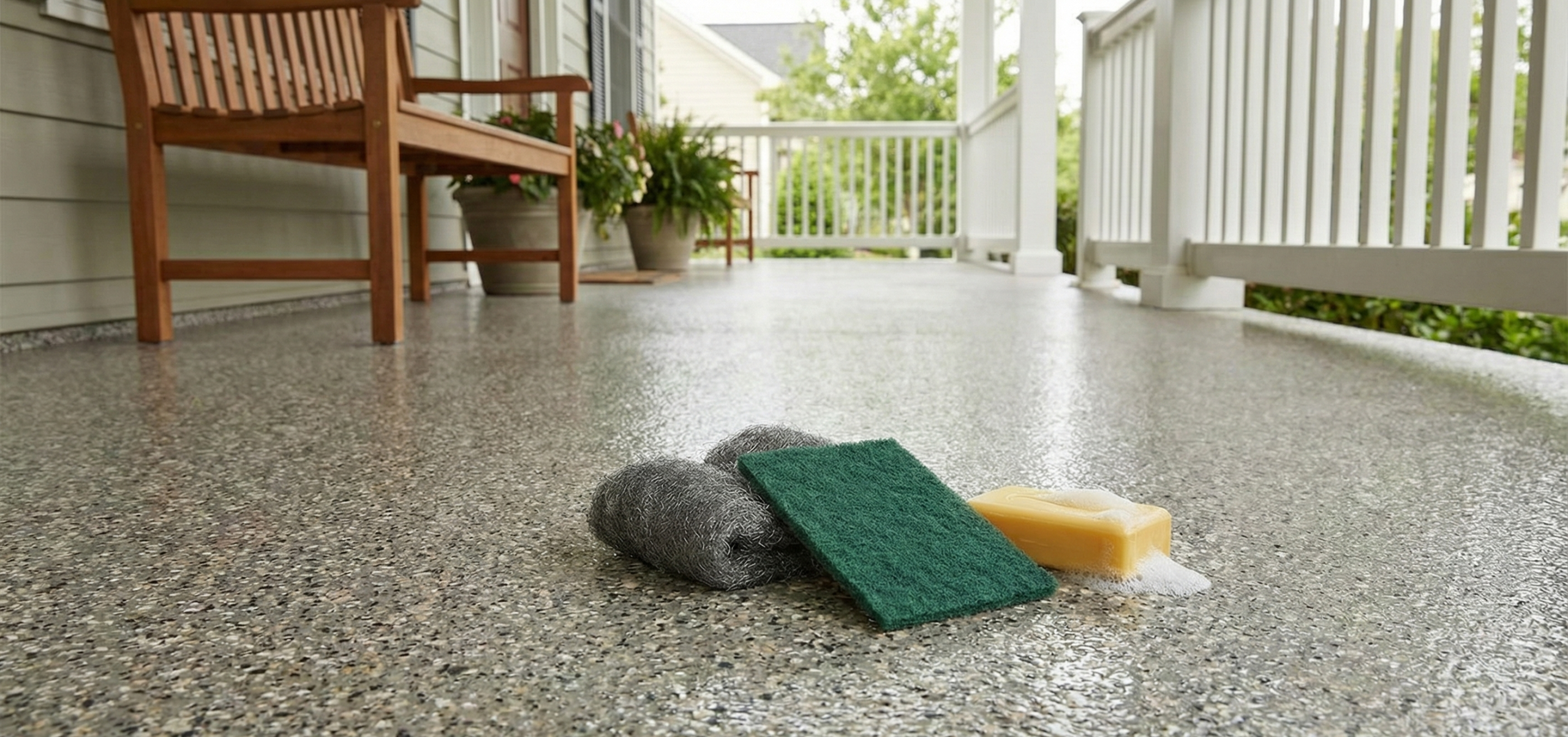
To ensure the longevity and beauty of your polyaspartic floor, it’s equally important to know what not to use:
- Acid-based cleaners: These can etch or dull the surface.
- Ammonia-based cleaners: Can break down the coating over time.
- Harsh degreasers: Unless specifically formulated for coated floors, these can be too aggressive.
- Abrasive pads or brushes: Steel wool, scouring pads, or stiff-bristle brushes can scratch the finish.
- Powdered cleaners: These can be abrasive and leave a residue.
- Oil-based soaps: Can leave a slippery film.
Armor Coating Co.: Get More from Your Polyaspartic Coating
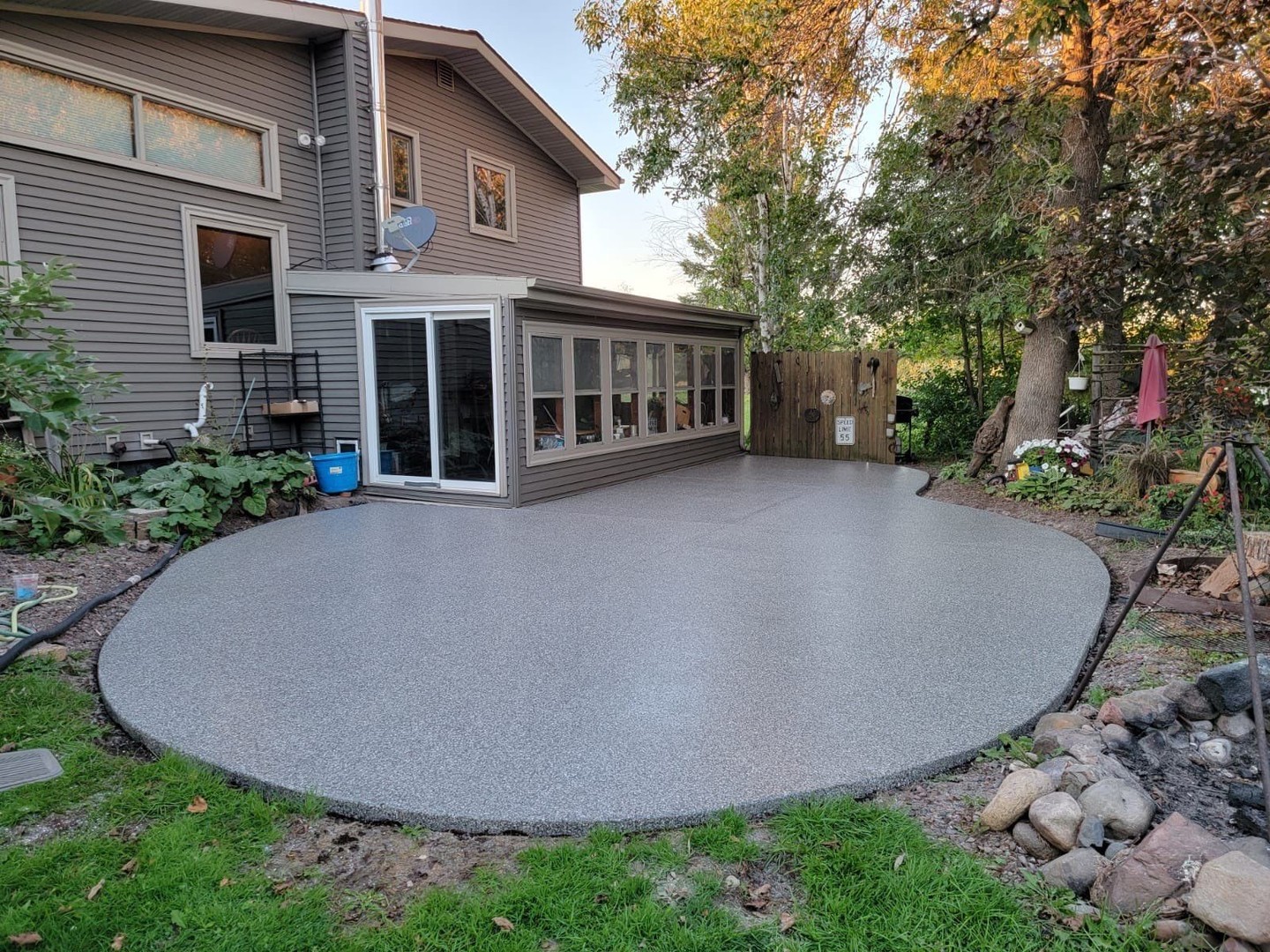
By following these simple cleaning guidelines, your polyaspartic garage floor coating from Armor Coating Co. will remain beautiful, durable, and easy-to-maintain. If you have any questions about your coating or are considering an upgrade, don’t hesitate to contact us.
You can also visit our residential and commercial pages to learn more about our services.
